Compare engineering materials by operating conditions, loads, dimensional stability and required documentation. Choose a category or send a drawing for quotation.

We select materials for CNC machining to meet part requirements, and have machined them for customers in Poland and Europe since 2008.
Below are separate material categories and their applications.
We begin every material selection with five technical questions. Only then do we consider the price. We apply the same criteria to metals, plastics, elastomers and seals.
Temperature, pressure, chemical medium and food contact. A part at 200°C with steam – PEEK or PPSU. A part in seawater – 316L or Super Duplex 2507. Food contact – compliance of the grade and application must be confirmed for the target market: in the EU, for plastics, Regulation (EU) No 10/2011 together with a declaration of compliance; for the US market, the relevant FDA basis for the material and conditions of use.
Variable loads, fatigue and impact resistance. Drive shaft – hardened 42CrMo4 or 34CrNiMo6 alloy steel. Plain bearing – cast PA-6G or POM-C. Impact-absorbing component – PUR polyurethane (Shore A 80-90).
Tolerances of ±0.02 mm and below require a material with low moisture absorption. PET absorbs 0.2-0.4% by weight (ISO 62, 23°C / 50% RH). PA-6 absorbs 2-3% (ISO 62). For measurement parts where flatness and dimensional stability matter, Mic6 aluminium may be considered – a precision-machined cast plate.
Documentation, material compliance and approvals must be specified for the particular grade, batch and application. The document scope must be confirmed before fulfilment, rather than assumed for a whole material group.
Material accounts for from a few to several dozen per cent of the finished part price. Grade 5 titanium is much more expensive than EN AW-6082 aluminium – we use it where corrosion resistance, biocompatibility or low density is decisive. Grade 304 steel can be an alternative to 316L, but the choice depends on the medium, temperature, pH, part geometry, welding method and corrosion risk, including chloride exposure.
The three main material classes differ fundamentally in their properties. The table helps you select a class before moving to a particular grade (after choosing, click the relevant metal category, plastic or elastomer category).
| Property | Metals | Engineering plastics | Elastomers |
|---|---|---|---|
| Density (g/cm³) | 2.7 (Al) – 8.0 (steel) – 19.3 (W) | density: 0.9 (PE) – 2.2 (PTFE) | 1.15 (silicone) – 1.92 (Viton) |
| Tensile strength (MPa) | range: 200-1500 | range: 40-250 (PAI Torlon) | range: 5-70 |
| Continuous service temperature | up to 600°C (Inconel) | -200 to +260°C (PTFE), up to 310°C (PBI) | -60 to +250°C (silicone) |
| CNC machinability | depends on alloy; cooling method selected for the material and process | very good, with sharp carbide tools | die cutting / milling of soft grades only |
| Chemical resistance | depends on alloy, medium, concentration and temperature | very high (PTFE, PVDF, PEEK) | moderate, depending on the rubber |
| Electrical insulation | none (conductive) | very high (PTFE, PEI, Tekstolit) | high (silicone, EPDM) |
| FDA / food contact | 316L, and 304 in selected applications, subject to confirmation of compliance | POM-FDA, PEEK-FDA, PE-HD-FDA | food-grade silicone, white NBR |
| Weldability | yes (aluminium, steel, stainless steel) | depends on the thermoplastic type and technology; weldable materials include PE-HD, polypropylene (PP), PVC and PVDF | vulcanisation only |
| Relative cost | medium (steel) – high (Inconel, titanium) | low (PA-6) – very high (PEEK, PAI) | medium |
| Typical application | load-bearing components, housings, shafts | plain bushes, insulators, seals | seals, vibration dampers, protection |
Material selection for regulated industries requires verification of the specific grade, operating environment and documentation required for the project. The table organises typical materials and industry standards, but does not replace checking the requirements for a particular part.
| Industry | Materials and grades typical for the industry (to standards) | Standards / approvals |
|---|---|---|
| Medical | 316L (1.4404 to EN 10088), PEEK (Victrex), PPSU (Radel – Solvay), biocompatible silicone | Standards: USP Class VI <88>, ISO 10993-1, FDA 21 CFR |
| Automotive | Typical grades: 42CrMo4 (EN ISO 683-2), 16MnCr5 (EN 10084), POM (ISO 1043-1), PA-66 GF30, NBR, Viton FKM | Standards: PPAP (AIAG), IATF 16949, MSA, SPC (ISO 22514) |
| Aerospace industry | Typical grades: 7075-T6 (AMS 4045), Mic6 (Alcoa cast plate), PAI (Solvay Torlon), PEEK (Victrex), 34CrNiMo6 (EN ISO 683-2) | AS9100D (SAE), EN 10204 3.1 |
| E-mobility sector | EN AW-5754 / 6082 (EN 573-3), Cu-ETP busbars (EN 13601), PEI (SABIC Ultem) | IATF 16949, RoHS 2011/65/EU |
| Energy sector | Typical grades: Super Duplex 2507 (1.4410), 316Ti (1.4571), PEEK (Victrex), Inconel 718 (UNS N07718) | PED 2014/68/EU, NACE MR0175 / ISO 15156 |
| Food / pharmaceutical | Food-grade 316L (1.4404), white / cream NBR (for food contact), food-grade silicone (VMQ), POM-FDA | FDA 21 CFR 177, EU 10/2011, EHEDG |
| Hydraulics / pneumatics | EN AW-6082 (manifolds – EN 573-3), CuSn12 tin bearing bronze (EN 1982), NBR | PED 2014/68/EU |
| Shipbuilding / marine | Typical grades: 5083 (EN AW-5083), 316L (1.4404), Super Duplex 2507 (1.4410), CuZn40Sn1 Naval Brass (UNS C46400) | DNV-GL, EN 10204 3.1 certificate, NACE |
It is worth attaching a technical drawing to the enquiry and describing the part’s operating conditions, tolerances and documentation requirements. This information makes it possible to compare material grades before quotation. Also see our capabilities: CNC milling, CNC turning, CNC cutting and CNC bending.
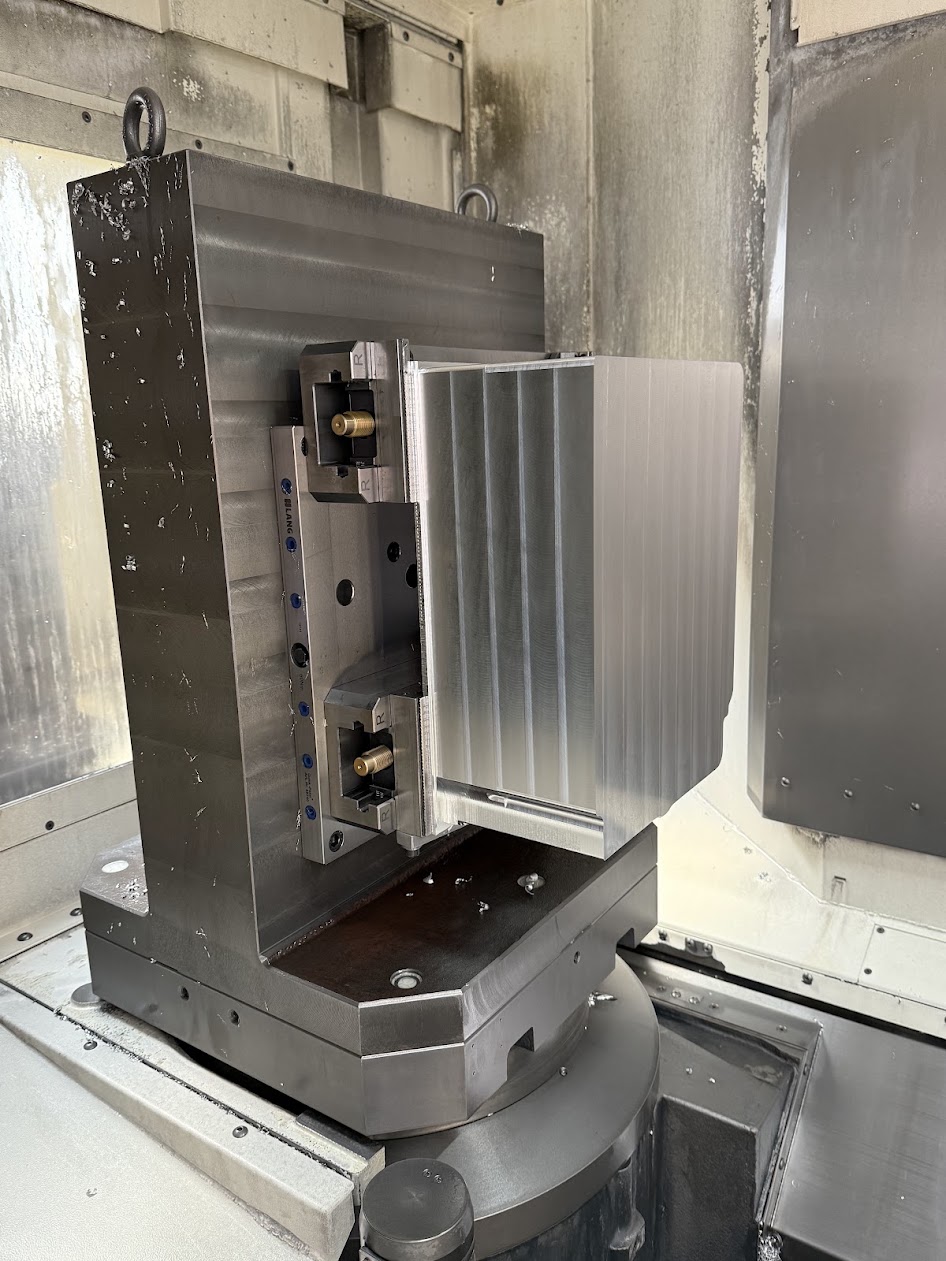
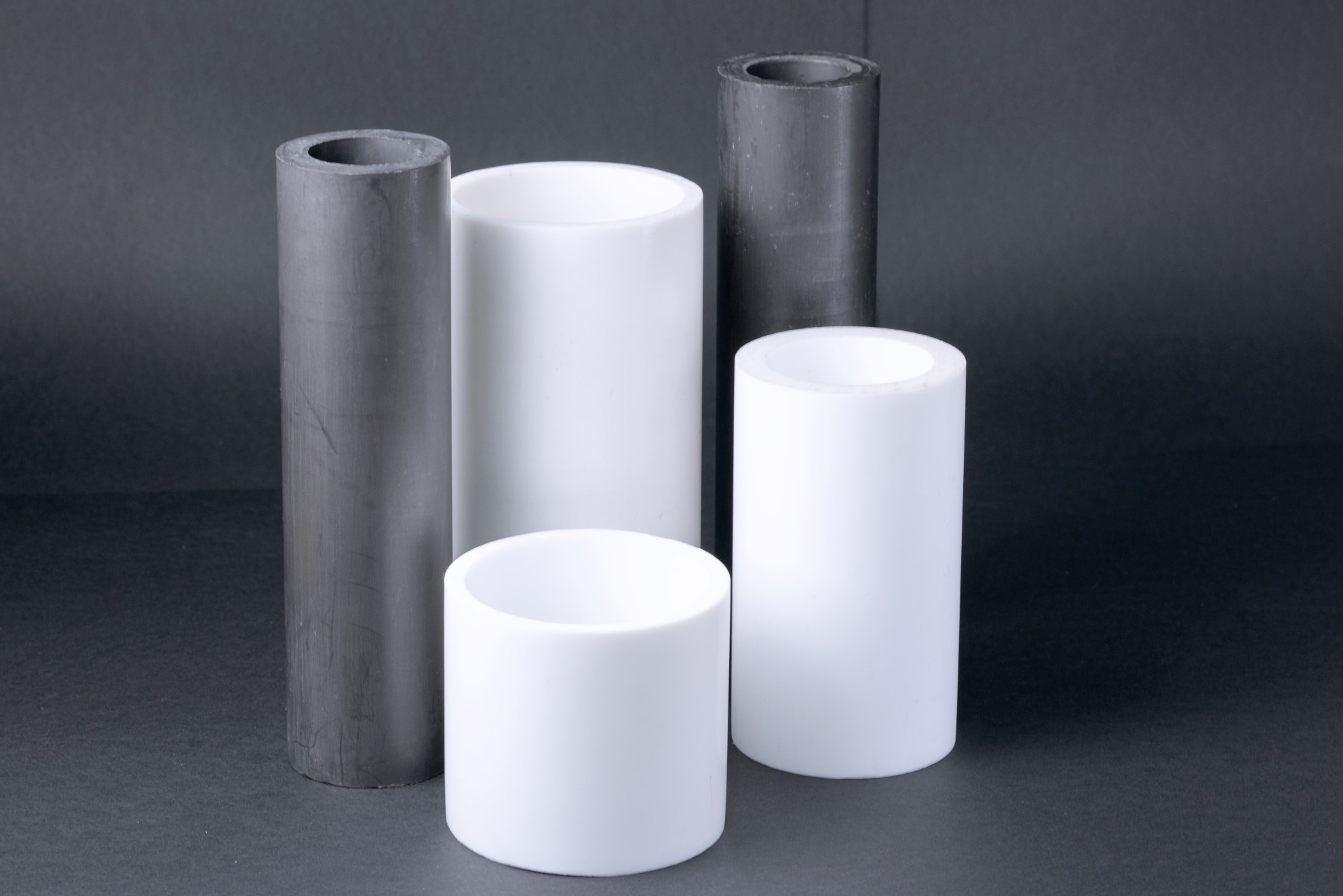
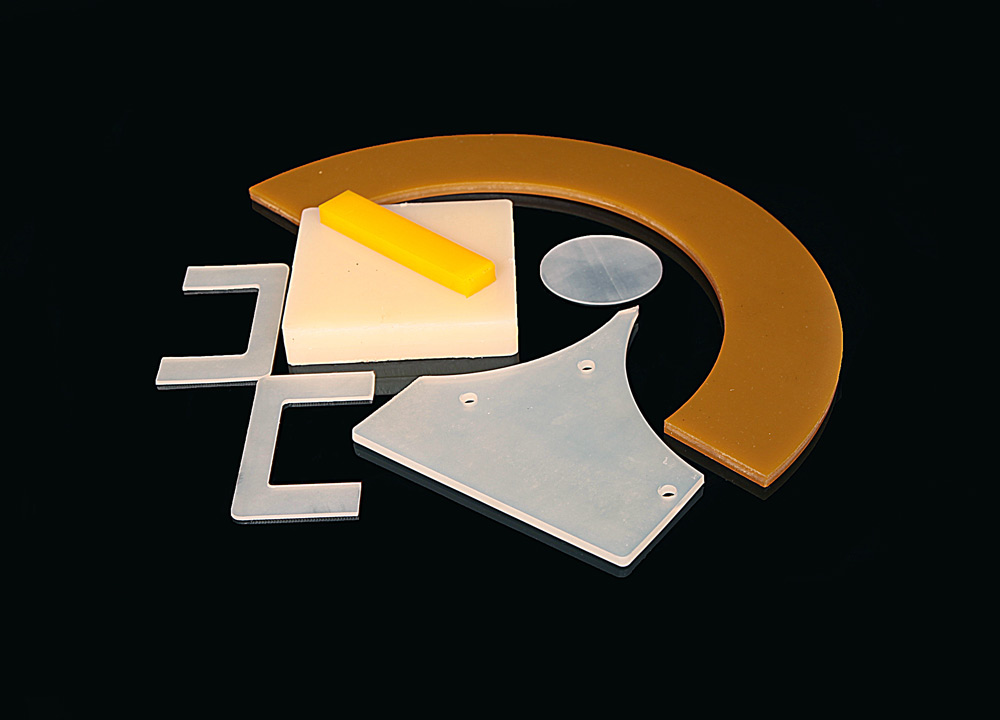
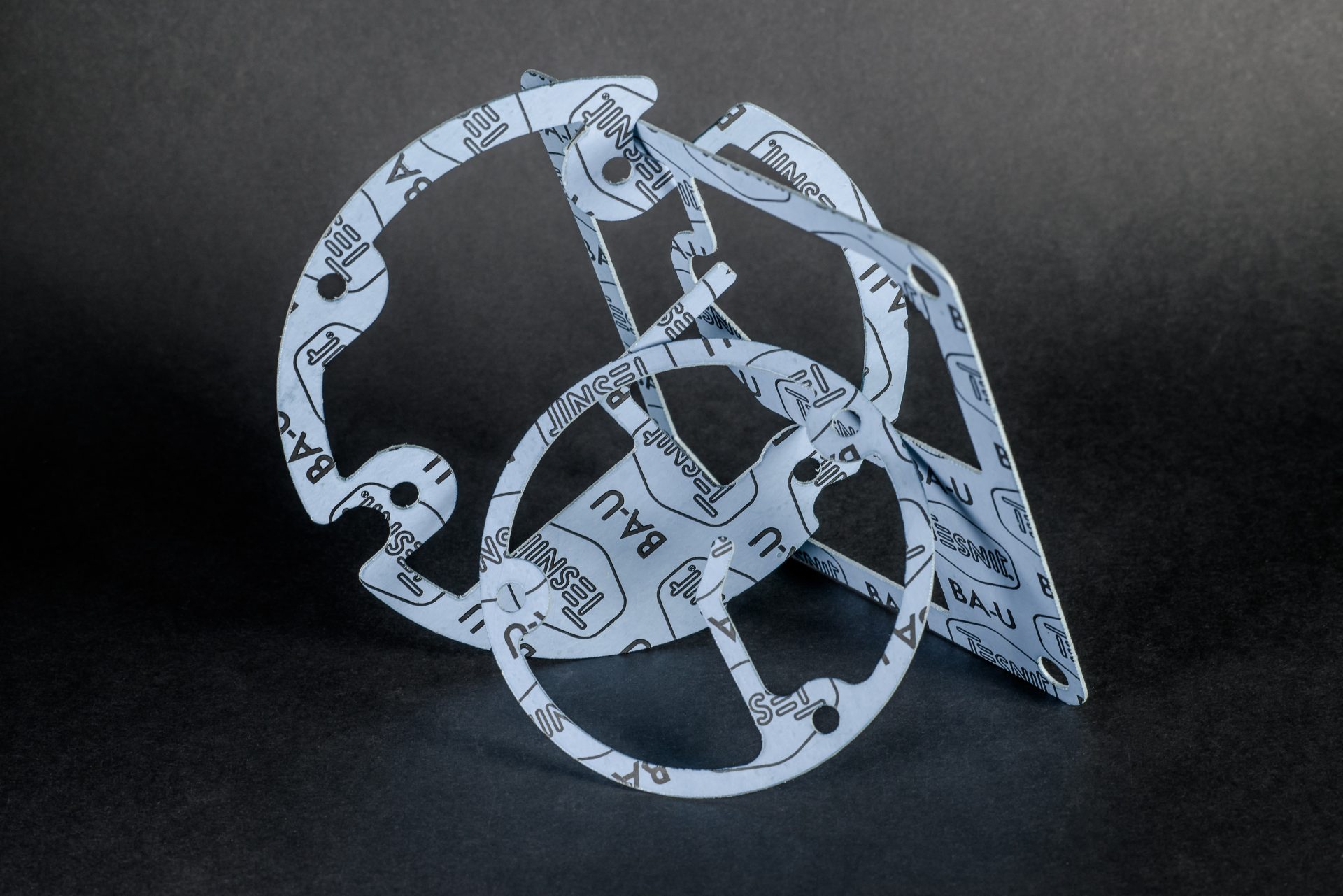
ANBI-TECH carries out precision CNC machining of three main material classes: metals, engineering plastics and elastomers, and also makes technical seals. Metals machined include aluminium alloys, structural steels, stainless steels (for example 304 and 316L), copper, bronzes and Grade 5 titanium; plastics include POM-C, PA-6, PTFE, PEEK, PET, PE-HD and PP. Material and technology selection (CNC turning, 3-, 4- and 5-axis milling or cutting) is adapted to the part geometry, operating conditions and required quality documentation.
The choice between metal and engineering plastic depends on mechanical loads, operating temperature, chemical environment and the target weight of the component. Metals are preferred for applications requiring high stiffness, thermal resistance, thermal and electrical conductivity, and the capacity to carry significant structural forces. Engineering plastics are used where low density, electrical insulation, resistance to corrosion and aggressive chemical media, and sliding properties are critical.
A quotation requires technical documentation in 2D (DXF) format or a 3D (STEP) model, together with the manufacturing tolerances and production-run size. The enquiry should state the part’s operating environment, contact with media (for example chemicals or water) and material-certificate requirements (for example an EN 10204 3.1 certificate). Certification and testing requirements, including measurements on an ABERLINK Axiom CMM or quality reports, are agreed individually before the order is fulfilled.
We publish references we have received and reviews from the ANBI-TECH business profile on Google Maps. The English versions are faithful translations of the Polish originals.
I can wholeheartedly recommend Anbi-Tech as a reliable and professional partner in machining and in manufacturing parts for the pharmaceutical industry. This is the third company where I have had the pleasure of working with Anbi-Tech, and the cooperation has been of the highest standard every time.
The pharmaceutical industry is exceptionally demanding: precision, on-time delivery, material quality and a full understanding of the customer’s needs all matter. Anbi-Tech has repeatedly proved that it is very well suited to this environment. The company has manufactured change parts, spare parts, filling needles, conveyor screws, components for dispensing powders and liquids, and many other production components for us.
The quality of the parts deserves particular recognition, whether they are made from 316L and 304 stainless steel or plastics such as POM, polyurethane and polycarbonate. The components are manufactured to a very high standard, with close attention to accuracy and detail, which is crucial in our industry.
Anbi-Tech has literally ‘saved our skin’ on many occasions in emergencies where time, a rapid response and a flexible approach to the customer mattered. A major strength of the company is its modern machinery, which enables it to complete even highly demanding projects while maintaining the highest standard of workmanship.
The people are equally important: the company’s staff always show complete commitment and a willingness to cooperate and provide technical support. Their extensive experience, professionalism and collaborative approach to customers are clear to see.
In pharmaceuticals, the ‘paperwork’, meaning certificates, is also important. The certificates have never been questioned during customer or regulatory audits, for example by GIF.
I strongly recommend working with Anbi-Tech to any company looking for a proven, reliable and quality-focused technical partner.
Dariusz Stachowicz, Senior Maintenance Manager, Polfa Warszawa S.A.
We had a very good experience working with Anbi-Tech on a new production line project for a bottling plant. Using a bottle sample and components from the old line, its engineer prepared the design and documentation for new change parts in SolidWorks. Anbi-Tech then manufactured timing screws, star wheels, drive components, bottle orienters, bottle turners and feeding components, among other items.
A major advantage is the end-to-end approach, from analysis and design through to the manufacture of finished components. Their considerable technical experience, precision and ability to solve unusual problems are clear. I recommend them.
Bartłomiej Ć, Specialist, ORLEN
We work with Anbi-Tech to manufacture parts and technical components for our projects. We value them above all for their workmanship, on-time delivery and excellent communication. When requirements are unusual, they can advise us and find a solution instead of simply manufacturing a part from a drawing. A reliable partner that I am happy to recommend.
Marek P., Production Manager, Triccor
A reliable company with extensive experience! They manufacture parts from steel, aluminium and specialist plastics such as POM and PTFE. Every service, whether turning, milling or CNC cutting, is carried out perfectly and with attention to the smallest detail. Excellent communication, professional advice and consistently on-time delivery. I wholeheartedly recommend them to anyone who needs reliable components.
Damian Lab
For a quotation, send a PDF or DXF drawing or a STEP model with dimensions. State the material, the number of pieces and the quality requirements. A photograph of the part alone, without dimensions, does not allow a reliable quotation to be prepared.
If the project combines several operations, we will agree the scope of machining, inspection, assembly and processes carried out by partners.

Tel.: +48 32 788 70 10
Mobile: +48 693 726 777
Mobile: +48 693 726 127

Olewin 50A, 32-300 Olkusz
VAT ID: PL6372190715

anbi@anbi-tech.pl